


Spotting real vs. fake bodhi seeds requires examining natural surface variations, weight, heat response, and long-term aging characteristics under close visual inspection. Knowing how to test your beads protects your investment and preserves the spiritual integrity of your personal practice.
As sacred bead artisans and spiritual practitioners at Buddha Bodhis, we encounter hundreds of prayer strands every year. Many seekers come to our studio wondering why their prayer beads feel lightweight, smell like synthetic chemicals, or fail to change color over time. Through years of hands-on experience crafting authentic malas, we have developed straightforward visual and physical tests to help you verify natural organic seeds effortlessly.
Quick Summary: Key Authentication Signals
- 🌿 Natural Pores & Grain: Genuine Bodhi seeds feature unique organic seed pores and grain with slight structural variations across every single bead.
- ⚖️ Density & Weight: Real botanical seeds possess noticeable bodhi seed density and weight, warming up rapidly in hand during meditation.
- 🔍 No Mold Seams: Counterfeit resin beads display visible or tactile raised mold seam lines on fake malas along their outer perimeters.
- 🔥 Heat & Aroma: Organic seeds resist immediate melting and emit a warm toasted grain scent during needle tests, unlike melting plastics.
- ✨ Patina Development: Authentic beads absorb natural skin oils, developing a rich amber bodhi bead patina over years of daily handling.
What Are Real vs. Fake Bodhi Seeds?
Definition & Botanical Origins
Real Bodhi seeds originate from organic botanical species, including palm seeds (Corypha umbraculifera) and sacred fruit pits, rather than synthetic human-made polymers. These natural seeds grow on living plants in tropical regions, absorbing sunlight and nutrients over several seasons. To learn more about organic material classification standards, you can review published research from the Gemological Institute of America.
Traditional Bodhi seeds carry deep historical reverence across Eastern spiritual traditions, valued for their natural origin and physical connection to mindful meditation practices. Practitioners treasure genuine plant seeds because every bead carries a subtle, living energy that evolves alongside the wearer. No two natural seeds share identical surface structures, making each hand-strung mala a unique sacred tool.
Counterfeit market varieties rely primarily on plastic injection molding, industrial resin pouring, pressed wood dust, or heavy glass imitations to mimic organic seed appearances. Manufacturers flood the commercial market with cheap knockoffs designed to fool casual buyers. Understanding how these imitations are manufactured helps you spot artificial pieces before making a purchase.
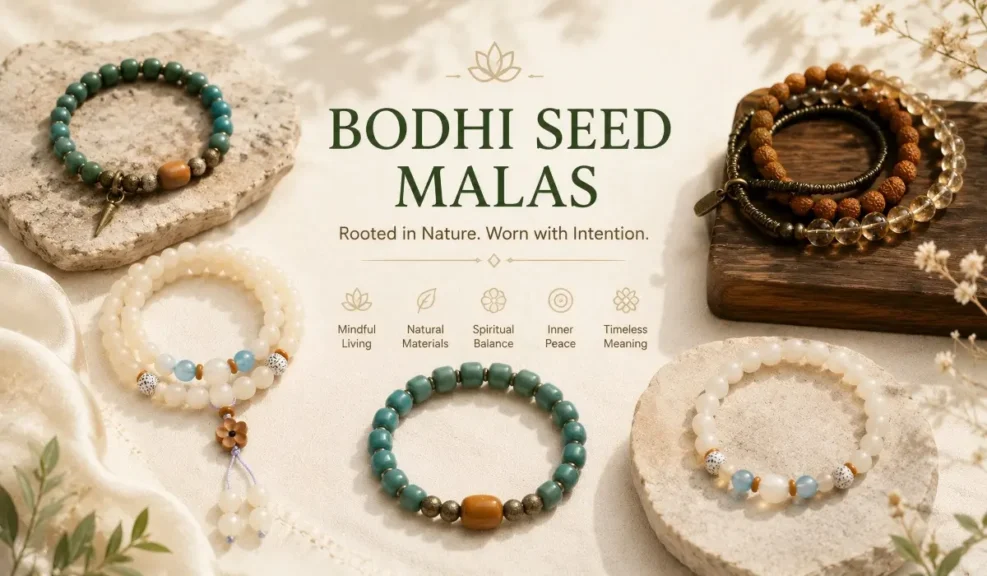
Material Characteristics of Natural Bodhi Seeds
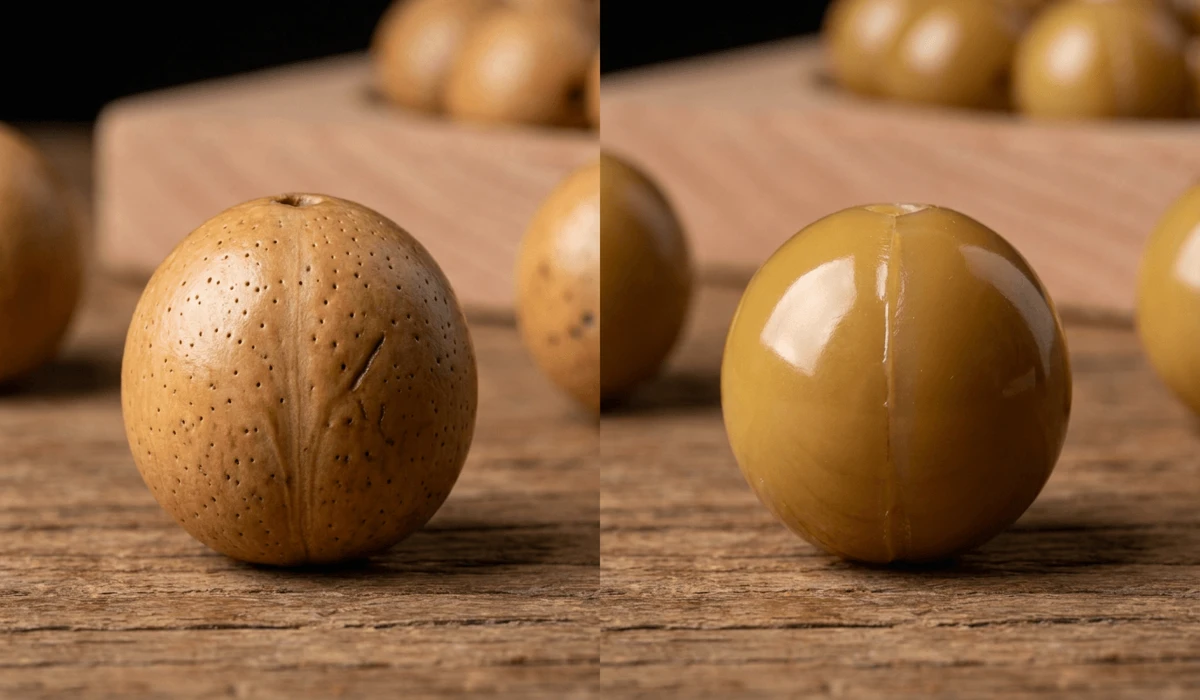
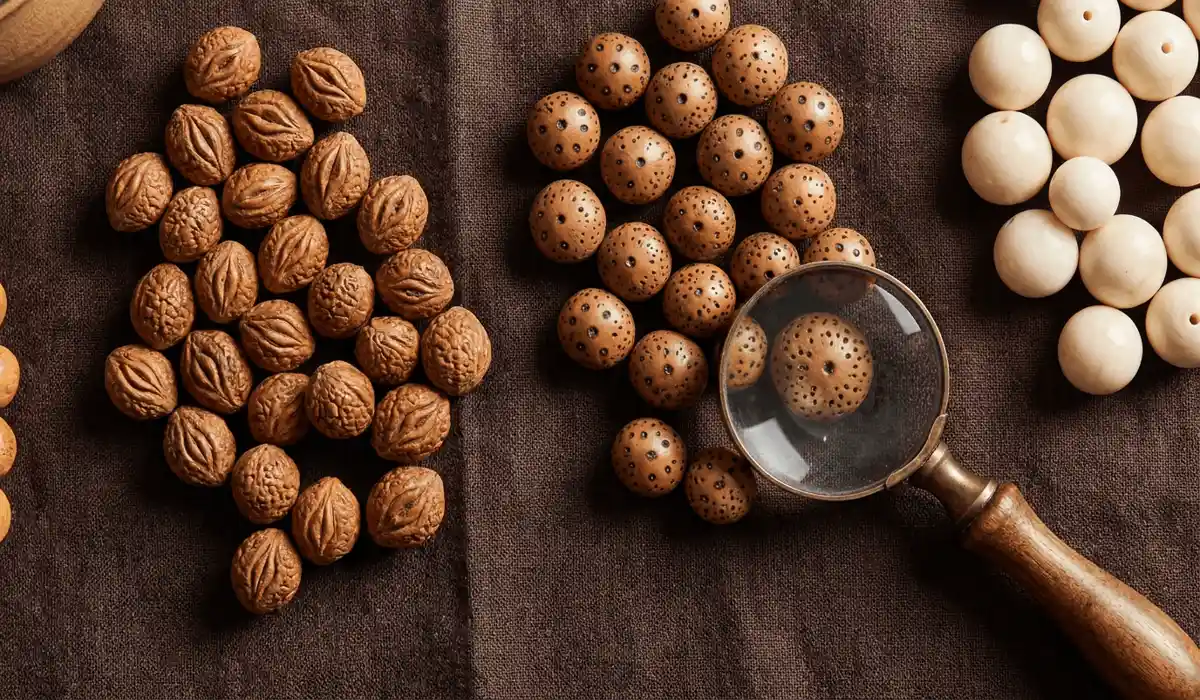
Natural bodhi seed texture features subtle surface irregularities, microscopic pitted structures, and unique botanical striations across every individual bead. When you inspect authentic beads under bright direct light, you will notice tiny natural pores, tiny fissures, and gentle color shifts. These slight organic imperfections prove that the seeds originated from living plants rather than factory machinery.
Genuine seeds possess distinct organic seed pores and grain that absorb natural skin oils during daily handling and quiet meditation practices. Over weeks and months, these pores draw in subtle oils from your hands, gradually deepening in tone. This biological interaction gives real seeds their soft luster and historical charm.
Authentic beads demonstrate notable bodhi seed density and weight, offering a solid, warm feel in hand compared to hollow or lightweight synthetic imitations. When you hold a full 108-bead strand of genuine seeds, the weight feels balanced and substantial. This physical mass anchors your rhythm during counted mantra recitations.
Plastic and Resin Fakes Explained
Plastic bodhi seeds identification relies on spotting perfect geometric symmetry, artificial glass-like surface sheen, and smooth machine-punched drill holes. Plastic beads are mass-produced in factory settings where precision tools produce hundreds of identical copies per minute. If every single bead on a strand looks identical in shape, color, and size, you are likely holding a synthetic product.
Synthetic resin fake bodhi beads are manufactured using industrial liquid molds, leaving raised mold seam lines on fake malas along the outer perimeter. These mold lines look like faint plastic ridges running continuously around the center of each bead. You can often feel these raised lines by rolling your thumbnail across the bead surface.
Counterfeit beads maintain an unchanging, inert surface that completely resists natural oxidation and biological contact. They fail to absorb hand oils, remain slick to the touch, and will never undergo authentic physical patina transformations. Investing in synthetic imitations deprives you of the rewarding experience of nurturing an aging sacred heirloom.
Spiritual Meaning & Symbolism of Bodhi Seeds
Traditional Symbolism
Bodhi seeds represent spiritual awakening, mindfulness, and inner clarity, deriving their name from the Sanskrit term for enlightenment. The word “Bodhi” translates directly to “awakened” or “enlightened,” connecting the seed to historical spiritual awakening under the sacred Bodhi tree. Wearing these seeds serves as a personal commitment to living with conscious awareness.
Wearing an authentic bodhi seed mala serves as a sacred reminder of patience, impermanence, and personal growth throughout life’s journey. Just as a small botanical seed endures seasonal changes before sprouting, your spiritual path requires time, effort, and continuous practice. Touching your prayer beads during challenging moments restores quiet focus and emotional equilibrium.
Natural seeds embody the endless cycle of natural growth, reflecting how organic matter matures and evolves through mindful contact and focused intention. As the physical seed transforms in color over decades, it reflects your own spiritual evolution. This dynamic partnership between practitioner and sacred tool forms the core of authentic Eastern bead tradition.
Chakra Associations
Bodhi seeds align closely with the Crown Chakra (Sahasrara), supporting quiet contemplation, expanded awareness, and meditative stillness. Placing natural seeds near your upper energy centers during sitting practices helps quiet racing thoughts and mental clutter. If you wish to explore complementary mineral energies, consider browsing our Spiritual Crystal Energy Guide.
The grounding physical mass of natural seeds also connects deeply with the Root Chakra (Muladhara), promoting stability during breathwork and daily focus. This dual energetic connection anchors higher spiritual intentions into practical everyday living. Practitioners often report feeling deeply centered when holding dense plant seeds during morning meditation.
Working with sacred seed mala beads helps center chaotic mental energy, encouraging balanced flow across upper and lower subtle energy centers. The rhythmic sliding of natural seed textures between your fingers soothes an overworked nervous system. This tactile feedback bridges physical touch with energetic tranquility.
Cultural and Historical Context
Ancient Eastern practitioners carved sacred texts onto palm-leaf manuscripts originating from the same botanical families as traditional Bodhi seeds. Monastic communities preserved these natural plant materials for centuries due to their exceptional durability and sacred symbolism. Owning natural plant beads connects you to this ancient lineage of mindful stewardship.
Historical monastic traditions favor natural seed beads for tracking mantra recitations due to their tactile feedback and enduring physical resilience. Monks carried their personal prayer strands across deserts and mountain passes, using them daily without structural failure. Genuine seeds withstand generations of spiritual practice without breaking or losing their structural integrity.
Artisans historically preserved natural seed shapes, allowing individual seed variations to highlight the intrinsic beauty of untouched nature. Master carvers avoided heavy chemical coatings, choosing instead to let natural botanical colors shine through. This respect for organic form remains the guiding principle in authentic mala crafting today.
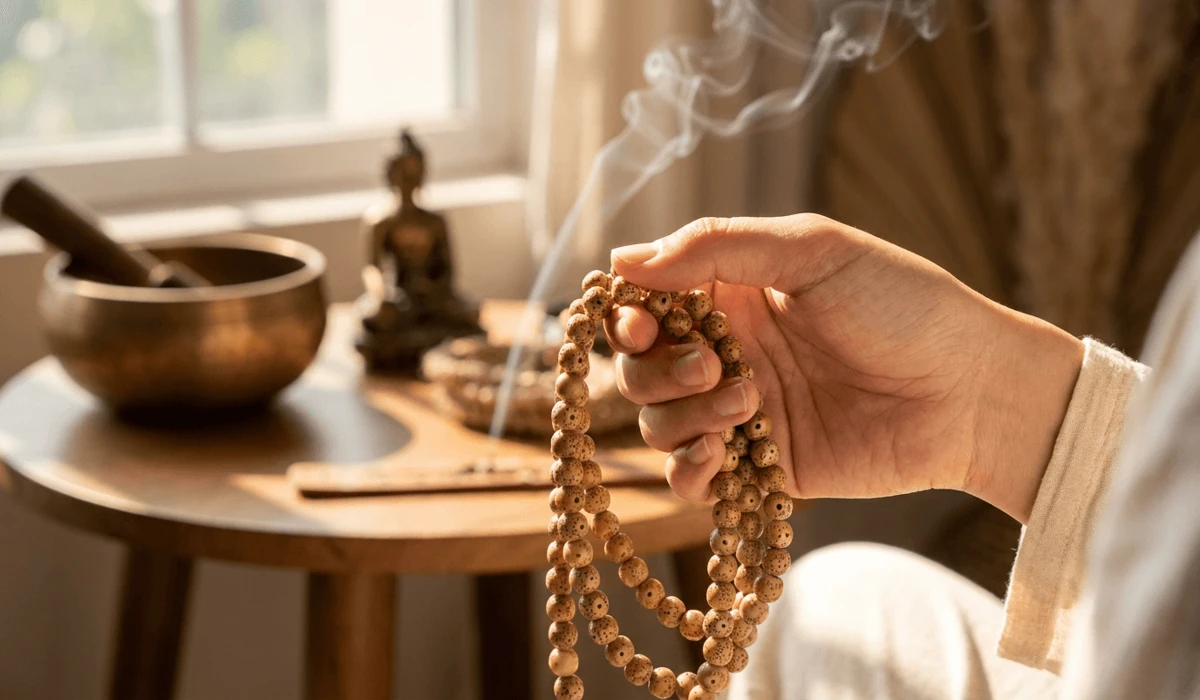
Benefits & Intentions Associated with Bodhi Seeds
Commonly Associated Intentions
Setting intentions for focus, mental discipline, and emotional balance during daily quiet sitting or structured prayer practices gives your mala purpose. Natural seeds act as physical containers for your daily dedications, capturing your emotional energy during practice. Each repetition of a phrase or breath cycle reinforces your desired state of mind.
Cultivating inner calm, patience, and grounded presence when navigating high-stress modern environments or busy routines becomes simpler with a personal mindfulness tool. When feeling overwhelmed at work, holding your seed bracelet brings immediate sensory grounding. The cool, solid weight of organic seeds brings your attention straight back to the present moment.
Enhancing sensory connection during tactile grounding exercises relies heavily on focusing on the distinct surface grain of natural beads. Modern digital life often disconnects us from organic textures and real-world sensations. Working with natural plant seeds reconnects your physical senses to nature’s soothing patterns.
Mindfulness & Personal Practices
Using counted bead cycles during rhythmic breathing exercises anchors scattered thoughts and maintains conscious awareness throughout sitting sessions. Sliding one bead at a time between thumb and finger creates a steady physical cadence for your breath. This simple physical action prevents the mind from wandering into future anxieties.
Incorporating natural seed mala beads into daily movement routines, yoga practices, or reflective journaling sessions builds consistency into your wellness lifestyle. Placing your sacred strand at the top of your yoga mat creates an intentional energetic boundary for your movement practice. It serves as a visual focal point for devotion and presence.
Hand-playing or Wenwan (文玩) with natural seeds acts as a tactile grounding practice to encourage presence and steady hand movement. This traditional Eastern practice involves gently rolling natural seeds between your palms during quiet moments. Over time, this daily interaction cleanses mental restlessness while polishing the seeds to a brilliant glow.
How to Wear Bodhi Seeds for Mindful Practice
Left Hand vs Right Hand (Feng Shui Logic)
Wearing Bodhi seed bracelets on the left hand is traditionally associated with receiving peaceful energy, clarity, and meditative calm into the body. In classical energy practices, the left arm serves as the receptive channel for surrounding subtle vibrations. Choosing the left wrist invites tranquil, reflective energy into your daily personal aura.

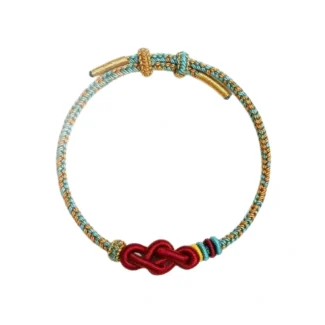
Green Bodhi Root Bracelet | Buddha Bodhis
Handcrafted Bodhi root bracelet with brass accents. A vintage-style meditation piece symbolizing wisdom, renewal, and mindful calm.
Wearing beads on the right hand is customarily aligned with projecting positive intentions, grounding outer actions, and offering protective energy to others. The right arm represents the expressive, action-oriented channel of human consciousness. Wearing your strand on the right side helps broadcast grounded confidence during public speaking or stressful meetings.
Switching hands based on daily personal intentions allows practitioners to balance receptive stillness with outward mindfulness throughout the week. If you need peaceful introspection, wear your beads on the left; if you require assertive focus, move them to the right. Listening to your daily energy needs ensures your practice remains dynamic and supportive.
When People Choose to Wear It
Wearing natural Bodhi beads during formal meditation, chanting practices, or quiet reflection helps maintain energy alignment across your sitting session. The beads establish a sanctified boundary between routine daily chores and spiritual practice. Over time, simply picking up your mala triggers an instant state of mental readiness.
Integrating seed bracelets into casual daily attire offers a constant physical mindfulness anchor throughout stressful work schedules or chaotic travel days. The subtle weight against your wrist serves as a gentle reminder to pause and take deep breaths. Natural seed jewelry blends effortlessly with both modern casual wear and professional attire.
Removing seed jewelry prior to heavy physical exercise, swimming, or sleeping protects natural organic fibers from excessive stress and moisture exposure. High humidity, chlorinated pools, and body sweat can degrade natural cordage and swell raw plant seeds. Treating your sacred strand with physical care ensures it remains beautiful for decades.
Intention-Setting Practices
Holding the main guru bead while setting a clear, mindful dedication before beginning daily mantra counts establishes strong practice momentum. Pause for three deep breaths while reflecting on your primary focus, such as compassion, clarity, or emotional healing. This simple opening ritual transforms casual bead rolling into an intentional spiritual practice.
Gently rolling individual beads between the thumb and middle finger quiets ambient mental noise and establishes a soothing physical rhythm. Traditional guidelines suggest avoiding the pointer finger during counting, as it represents active ego energy. Using the middle finger fosters receptive humbleness and inner stillness.
Exploring handcrafted, ethically sourced pieces within our Authentic Bodhi Seed Collection supports your daily intention practices with genuine botanical craftsmanship. Pairing authentic materials with clear personal intention creates a lasting foundation for spiritual growth.

Bodhi Seeds vs Similar Sacred Beads
| Feature | Authentic Bodhi Seeds | Synthetic Plastic / Resin Fakes |
|---|---|---|
| Material Origin | Natural botanical seeds (*Corypha umbraculifera*) | Industrial polymers & poured liquid resins |
| Surface Texture | Unique organic pores, grain, & pitted striations | Perfectly smooth surface with raised mold seam lines |
| Thermal Response | Warms rapidly in hand; absorbs body heat | Stays cold/inert; melts immediately under heat |
| Aging & Patina | Absorbs skin oils to form deep amber glow | Permanently color-fast; no oil absorption |
| Burn Test Result | Slow burn; toasted popcorn aroma; gray ash | Rapid melting; acrid toxic chemical smoke |
Bodhi Seeds vs Rudraksha Beads
Bodhi seeds feature smooth to finely pitted organic seed pores and grain, whereas Rudraksha beads exhibit deep, clefted grooves known as mukhi lines across their shell. While both originate from organic plant sources, their surface structures feel entirely different against the skin. Bodhi seeds provide a gentler, smoother feel during long counting sessions.
Bodhi beads emphasize mental clarity, peace, and awakening, while Rudraksha beads traditionally focus on physical protection, energetic shields, and stamina. Practitioners often choose between them based on their primary spiritual goals. Combining both in distinct prayer strands offers balanced support for energetic stability.
Both materials are organic and botanically derived, yet Bodhi seeds develop a smooth glass-like patina faster through regular hand play. The natural oils from your fingers saturate the outer layers of Bodhi seeds with greater ease. This creates a lustrous, semi-translucent shell within just a few years of dedicated handling.
Authentic Bodhi Root vs Fake Options
An authentic bodhi root vs fake visual check reveals that real Bodhi root originates from white palm seeds rather than underground tree roots, presenting an off-white, jade-like tone. To compare how natural organic materials compare to mineral gemstone fakes, read our Authentic Agate Identification Guide.
Natural Bodhi root develops fine petrified micro-fractures, commonly called ice-crack patterns, over years of dedicated wear and oil absorption. Plastic imitations remain completely smooth, opaque, and devoid of internal depth. Synthetic “white jade” plastic fakes lack the natural oil absorption, subtle corn-like aroma, and dense tactile weight of real Bodhi root.
Fake resin versions often incorporate heavy industrial pigments to create artificial white finishes that look flat and chalky. Authentic Bodhi root exhibits soft, translucent depth under natural sunlight. Holding a genuine piece up to light reveals delicate organic striations frozen inside the dense plant material.
Specific Bodhi Seed Varieties
Phoenix eye bodhi seed authenticity depends on observing distinct natural eye-shaped central folds with unique, non-identical pupils on each individual seed. Machine-stamped imitations feature identical, stamped eye shapes across every single bead on the strand. True Phoenix Eye seeds display slight natural asymmetry that highlights their organic growth history.
Star and moon bodhi seeds real vs fake checks center on identifying tiny natural dark dots (stars) surrounding a prominent stem hole (moon) within an off-white seed surface. In genuine seeds, the dark dots vary in size, spacing, and depth across the surface. Plastic knockoffs display mechanically printed, uniform black dots that rub off with minimal friction.
Resin counterparts present machine-stamped eye shapes or painted star patterns that look identical across every bead on the strand. Mass manufacturers use simple silicone molds to reproduce famous seed varieties quickly. Inspecting multiple beads along a single strand quickly exposes these mechanical copycats.
Who Are Bodhi Seeds Suitable For?
Energy Alignment & Spiritual Seekers
Individuals seeking to strengthen focus during breathwork, silent prayer, or traditional meditation practices will find natural seeds immensely beneficial. The natural texture provides continuous sensory feedback that keeps mind and body unified. To learn more about standard gemmological evaluation criteria, consult the official guidelines from the Gemmological Association of Great Britain.
Practitioners looking for tactile mindfulness tools that naturally adapt and change color alongside their personal spiritual journey love working with raw seeds. Watching your prayer beads darken over years creates a tangible record of your dedicated practice. This visual evolution serves as an inspiring testament to continuous spiritual effort.
Anyone drawn to organic, earth-derived materials that carry traditional Eastern cultural heritage will cherish an authentic seed strand. In an era dominated by synthetic materials, owning genuine botanical beads offers a refreshing connection to the natural world. They carry the calm, enduring resonance of ancient tropical forests.
Zodiac & Element Connections
Bodhi seeds are highly beneficial for Wood element personalities seeking growth, adaptability, and steady personal development in their daily lives. The biological seed represents potential energy waiting to bloom into full spiritual expression. Wearing plant seeds nourishes your internal drive while smoothing out emotional friction.
Natural seeds complement Earth element signs by reinforcing grounding stability, patience, and centered emotional focus during turbulent life changes. The physical mass of dense seeds anchors flighty emotional states back into solid physical reality. They foster steady, quiet resilience when outer circumstances feel chaotic.
Organic beads provide a cooling, balancing presence for individuals experiencing restless, dominant Fire element energy or chronic daily stress. Plant matter absorbs excess erratic heat, helping soothe angry outbursts and nervous tension. Wearing raw plant seeds promotes gentle, rhythmic emotional composure.
Lifestyle & Personal Intentions
Minimalist lifestyle enthusiasts who appreciate natural craftsmanship, ethical materials, and authentic organic textures naturally gravatite toward real seed malas. These simple botanical beads require no complex synthetic processing or industrial destruction. They embody understated, earthy elegance that suits any mindful wardrobe.
Busy professionals looking for discrete physical reminders to pause, breathe, and practice mindfulness during workday stress benefit greatly from seed bracelets. Slipping a bead strand onto your wrist provides instant access to calming sensory grounding during high-pressure work tasks. A brief pause to hold your beads clears mental fatigue instantly.
Collectible bead enthusiasts and Wenwan (文玩) hobbyists dedicated to nurturing natural patina through patient daily handling adore high-grade seeds. Transforming a raw tan seed into a glossy, amber gem through years of manual handling offers immense personal satisfaction. It is an art form where patience and daily care yield breathtaking physical beauty.
Video source: YouTube
Author: DharmaShop
Original video link: https://www.youtube.com/watch?v=RMvqMDAh7GI
Physical Authentication Tests for Genuine Bodhi Seeds
Testing your prayer beads at home does not require complex scientific tools or expensive laboratory equipment. By using a few safe, practical tests, you can quickly distinguish natural plant material from synthetic industrial polymers.
- 🔍 Magnifying Glass Inspection: Examine drill holes carefully; real seeds show raw plant fiber threads inside, whereas plastic beads feature smooth, melted machine cuts.
- 🌡️ Thermal Tactile Test: Real seeds absorb hand warmth within seconds, while resin beads stay synthetic and room-temperature inert.
- 📌 Hot Needle Test: Heating a small pin and pressing it near the drill hole causes plastic to melt immediately with harsh chemical smoke, whereas real seeds resist heat and release a toasted popcorn scent.
- 💧 Water Density Check: Dense, mature Bodhi seeds sink rapidly or hover near the bottom in water, whereas lightweight hollow plastic fakes float easily on the surface.
Always perform destructive tests, like the hot pin test, on an expendable spare bead or inside the hidden drill hole to protect the cosmetic beauty of your mala strand.
How to Cleanse, Charge, and Care for Bodhi Seeds
Cleansing Methods
Gently wipe beads with a dry, clean micro-fiber cloth to remove surface dust and excess sweat after long daily wear sessions. Never use harsh household detergents, alcohol wipes, or chemical sprays on raw plant seeds. Chemical cleaners strip away natural oils and cause permanent surface discoloration.
Pass the mala through natural herbal incense smoke, such as sandalwood or agarwood, to cleanse accumulated ambient energy safely. Incense cleansing cleanses lingering emotional static without exposing raw plant fibers to damaging moisture. Allow the aromatic smoke to envelop the strand for one to two minutes.
Place beads near a natural singing bowl or sound chime, allowing vibrational frequencies to refresh the seed’s energetic resonance. Sound cleansing offers a gentle, non-contact method to reset your mala after emotional practice sessions. To read more about traditional botanical classification and plant structures, explore Online Botanical Information Resources.
Charging Practices
Position beads under indirect moonlight during full moon cycles to restore serene, quiet energetic qualities to your sacred seeds. Avoid leaving raw seeds under harsh direct sunlight for extended hours, as ultraviolet radiation dries out organic fibers and causes cracking. Cool moonlight nourishes the seed gently.
Rest beads on a natural selenite plate or beside clear quartz crystals overnight to clear accumulated static and revitalize intent. High-vibration quartz minerals clear dull energetic residue naturally while your mala rests. This keeps your prayer strand feeling fresh and vibrant every morning.
Hold beads in quiet meditation while reciting personal intentions to re-align the mala with your spiritual practice goals. Your physical presence and focused thoughts recharge the seeds far more effectively than any external element. Consistent meditation builds a strong energetic connection between you and your beads.
Daily Care & Physical Protection
Avoid soaking organic seeds in water or wearing them in showers, as excess moisture causes natural seed swelling and severe structural cracking. Water expands raw internal plant fibers rapidly, causing the outer shell to split open as it dries out. If your mala gets wet accidentally, pat it dry immediately with a soft towel.
Allow natural oils from clean hands to nourish the surface, supporting gradual bodhi bead patina development over months of wear. You do not need to apply synthetic furniture waxes or mineral oils to genuine seeds. Regular handling supplies all the natural lipids necessary to build a brilliant glass-like polish.
Store seed malas in breathable cloth pouches away from direct sunlight, heating vents, or high-humidity environments. Synthetic plastic bags trap humidity, promoting mold growth on raw plant fibers. Storing your mala in a soft linen pouch allows the organic material to breathe naturally.
“Caring for an authentic Bodhi mala is a living exercise in mindfulness. As you nourish the raw botanical seeds with daily touch and quiet presence, they quietly transform into a lustrous mirror reflecting your own internal growth.”
Respect the natural aging process, allowing surface darkening to occur organically without applying synthetic oils or chemical sealants. True beauty requires patience and time.
Frequently Asked Questions
Q: How can I tell if my Bodhi seed mala is made of plastic or resin?
A: Plastic or resin beads exhibit perfectly smooth mold seam lines running along their outer edges from factory manufacturing. Synthetic beads feel unnaturally light, lack organic seed pores and grain, and remain cold without absorbing skin temperature. Exposing a heated pin to an inconspicuous drill hole melts plastic immediately, creating stringy chemical residue and harsh synthetic smells.
Q: Do genuine Bodhi seeds feel warm or cold to the touch?
A: Genuine Bodhi seeds initially feel neutral or slightly cool, but quickly absorb body heat and adapt warm to the touch during handling. Plastic fakes maintain an artificial, synthetic room-temperature feel that does not absorb or retain natural hand warmth comfortably. Dense natural seeds convey a satisfying physical weight and density, feeling substantial rather than hollow.
Q: What does a real Bodhi seed burn test smell like?
A: Performing a destructive burn test on an expendable real seed produces a natural scent reminiscent of roasted corn, popcorn, or toasted wood. Real seed material burns slowly into a fragile gray ash that easily crushes into fine powder between fingertips. Plastic or resin imitations melt rapidly, drip synthetic liquid, release acrid black smoke, and emit harsh chemical fumes.
Q: Why do fake resin Bodhi beads have seam lines?
A: Fake resin beads are created by injecting liquid polymers into two-part industrial molds during mass manufacturing processes. Where the two halves of the mold join together, excess resin squeezes out, leaving visible or tactile raised mold seam lines along the outer edge. Natural organic seeds grow individually on plants and never possess straight, mechanical perimeter mold seams.
Q: How do authentic Bodhi seeds change color over time?
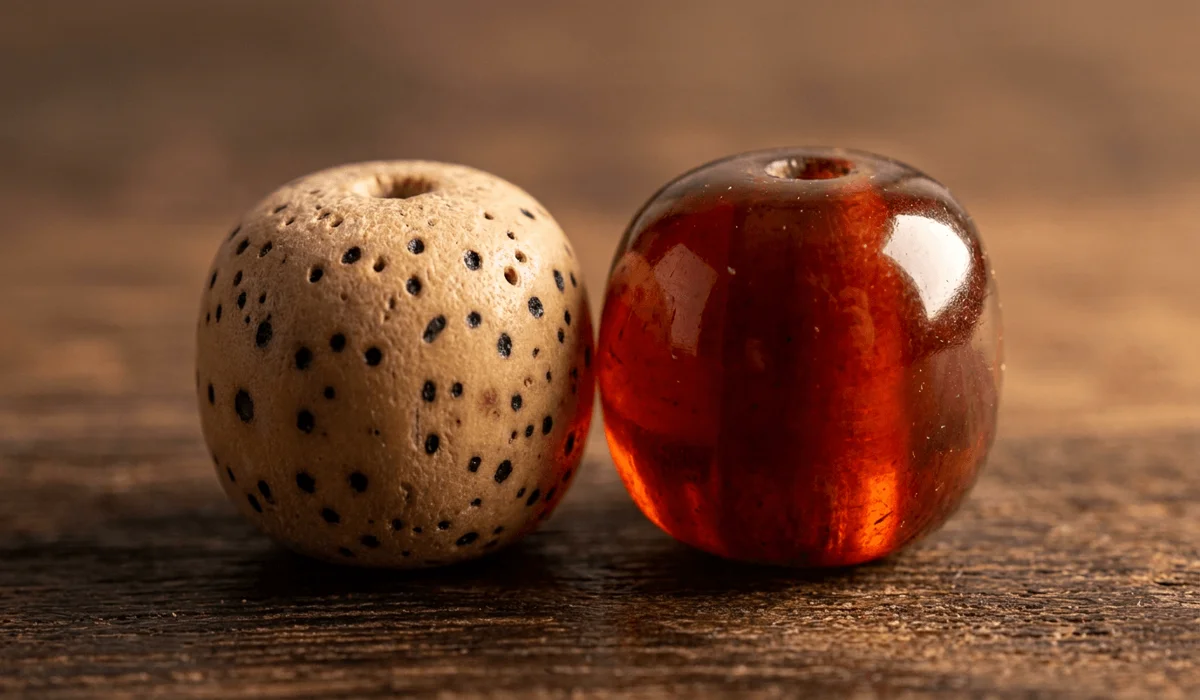
A: Authentic Bodhi seeds absorb natural skin oils and undergo slow surface oxidation through regular handling and meditation practice. Light off-white or tan seeds gradually transition into deep amber, rich chestnut brown, or translucent antique red tones over several years. This natural aging process forms a glossy surface patina, whereas plastic or resin beads remain permanently unchanged in color.
Conclusion & Gentle Next Step
Identifying genuine Bodhi seeds involves appreciating natural imperfections, organic weight, thermal feedback, and authentic oil absorption. Paying attention to subtle surface details ensures that your prayer beads represent real botanical gifts rather than synthetic industrial imitations.
Avoiding synthetic plastic and resin imitations preserves the traditional spiritual connection and physical longevity of your prayer beads. Natural plant seeds hold an enduring organic frequency that fake polymers simply cannot replicate. Protecting your investment ensures your spiritual tools remain meaningful heirlooms.
Allowing your authentic seeds to age naturally through mindful daily use fosters a deeply personal reflection of your ongoing practice. Every subtle color shift and lustrous shine on your beads records your dedicated moments of quiet reflection and breathwork.
Take time to explore authentic, handcrafted seed malas thoughtfully created to support your individual journey toward presence, calm, and mindfulness. Connecting with genuine natural materials elevates your daily practice while honoring ancient spiritual craftsmanship.
This content is for informational and cultural exchange purposes only. It does not constitute medical, legal, financial, or other professional advice. Readers should consult qualified professionals if needed.

Written by the Buddha Bodhis Team
Since 2020, we have been devoted to exploring traditional year-based wisdom, classical Feng Shui principles, and the rich spiritual symbolism rooted in Eastern cultural heritage. Our work bridges ancient metaphysical systems with modern life, interpreting annual cycles, elemental energies, and symbolic meanings to offer thoughtful insight and practical guidance. Through continuous research and practice, we aim to preserve traditional knowledge while making it accessible, relevant, and meaningful for contemporary seekers of balance, intention, and personal growth.
TikTok | YouTube | Pinterest | X
buddhabodhis@gmail.com